
African Culture and Democracy: A mismatch made in Hell
The courtroom moment that says too much
Earlier today, I was talking with my sister and a friend about that courtroom incident at the Federal High Court in Abuja earlier this month, where Justice Mohammed Umar reportedly ordered lawyer Marshall Abubakar to kneel in open court. You have probably seen it already, or at least seen people arguing about it. Maybe it was meant as discipline. Maybe it was a show of authority. Maybe it was just a bad decision in a heated moment. But I have heard lawyers say that it’s not uncommon to see related events like that. The bigger issue is not the kneeling itself. It is what that gesture reveals about how power is understood.
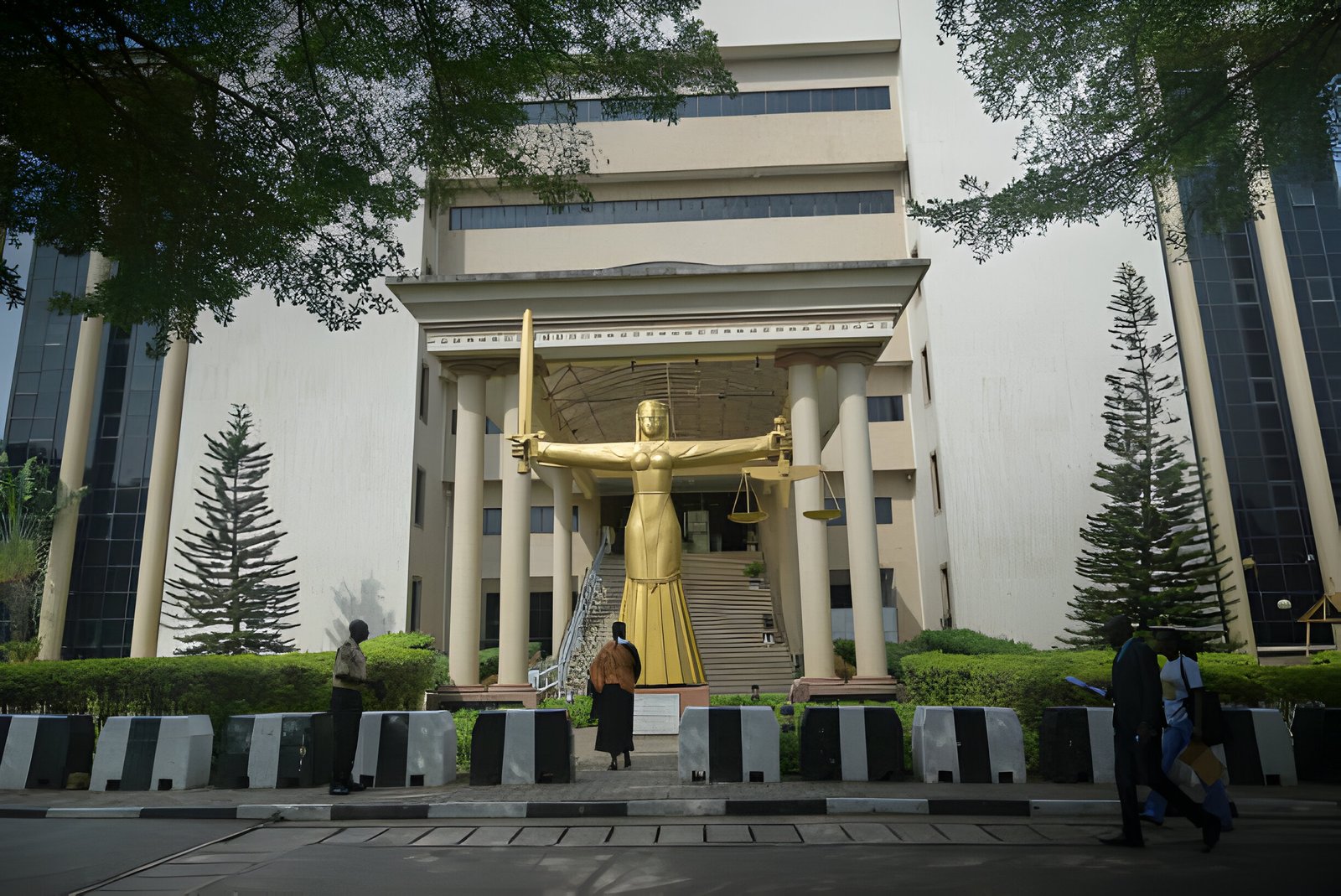
A courtroom is supposed to represent justice, order, and restraint. It is one of the few places where authority should be disciplined by principle, not personality. So when respect starts looking like public submission, something has gone wrong. If even a courtroom can slip into that logic, then the problem is bigger than one incident. It points to a political culture that still confuses authority with superiority.
Where respect culture starts to clash with democracy
Public office is not a sacred throne. It is a job. Culture-based respect often works in the opposite direction. It teaches deference first, silence second, and questioning only when it is safe.
This is the part many people do not want to say plainly: a lot of the respect norms we inherit, especially in Nigeria, do not translate well into democratic life. They may make sense in family structures, traditional institutions, or community life where age and rank carry social weight. But once those same rules are imported into governance, they become dangerous.
Democracy depends on scrutiny. It is supposed to give the common person room to question leaders, challenge decisions, demand explanations, and insist on accountability. Public office, at least in theory, is not a sacred throne. It is a job. Culture-based respect often works in the opposite direction. It teaches deference first, silence second, and questioning only when it is safe. Sometimes not even then. The title becomes enough to command obedience, whether or not the person wearing it has earned trust.
That is a bad foundation for self-government. A democracy cannot function well when citizens are trained to speak softly around power and leaders are trained to expect reverence on sight.
The title changes, but the reflex remains
“Am I your receptionist?”
“Who are you that I should pick your call?”

If you grow up in a system where kings, chiefs, elders, or family heads are not to be openly challenged, that mindset does not disappear just because the setting changes. Swap king for governor, chief for minister, elder for judge, and the instinct often stays the same. The clothes of authority change. The psychology does not.
You can see the contrast clearly in other democracies. In the United States, governors openly clash with presidents, sometimes constantly, including with President Trump. In the United Kingdom and Canada, parliament is full of argument, interruption, disagreement, and competing visions. That conflict is normal there because democracy assumes that people in power will be challenged by other people in power, and by the public too. They do not gather to revere one person. They gather to contest ideas, defend interests, and fight over decisions. That is messy, sometimes ugly, but it is a healthy democratic life.
Here, officials start behaving less like public servants and more like minor royalty. You could see that mindset plainly in Governor Umo Eno’s widely reported remarks from Akwa Ibom, where he said, “Am I your receptionist?”. While everyone cannot have access to the governor, but when a governor talks as if public access is a personal insult, it reveals a deeper problem than bad optics. It reveals a foundational misunderstanding of public office itself.
When leaders want reverence instead of results
In Nigeria, we have reached the point where people practically have to beg public officials to address the public on issues that affect their lives. Press conferences are so rare that some leaders can go through nearly an entire four-year term without seriously submitting themselves to open questioning.
We have created a climate where some leaders believe respect is owed to them automatically. Not because they are competent. Not because they are transparent. Not because they are delivering results. Just because they hold office. And when that automatic reverence does not show up, they react like fathers disciplining children.
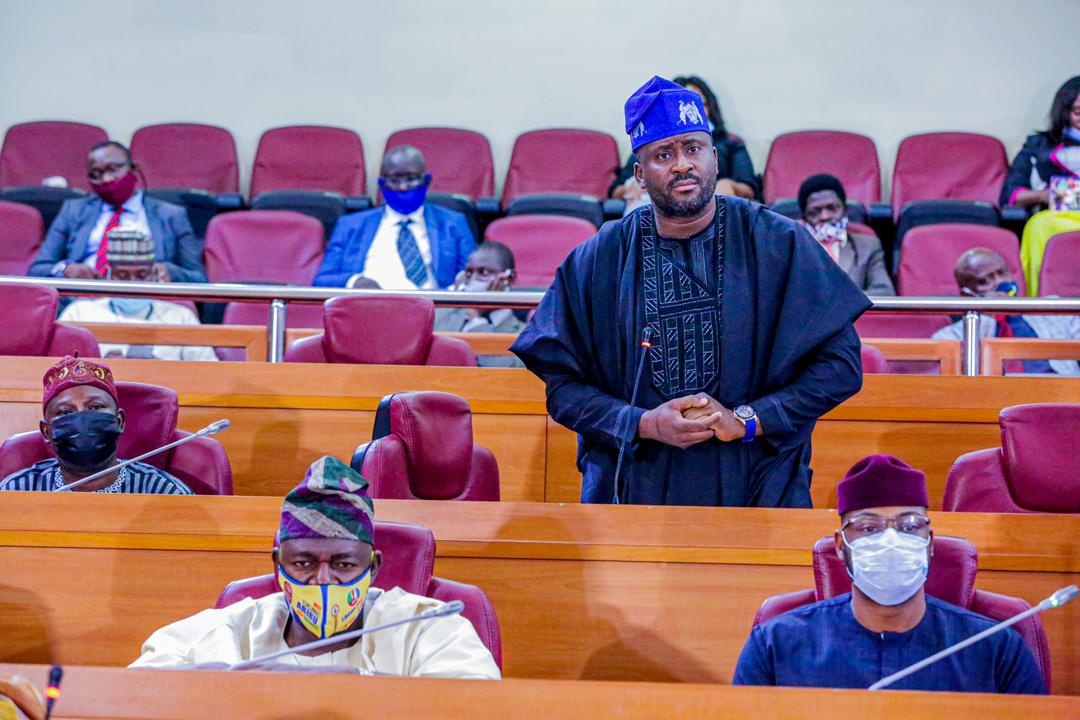
Sometimes it comes as intimidation. Sometimes as institutional bullying. Sometimes as quiet humiliation for anyone who speaks too directly. That is not governance. That is ego wearing official clothing.
In Nigeria, we have reached the point where people practically have to beg public officials to address the public on issues that affect their lives. Press conferences are so rare that some leaders can go through nearly an entire four-year term without seriously submitting themselves to open questioning. Everyone performs the ritual of authority and obedience while actual problems sit there untouched. Roads remain broken. Hospitals remain under-equipped. Schools remain neglected. But the titles must be recited correctly, the gestures must be performed, and the hierarchy must be respected. In that kind of system, reverence becomes a substitute for results.
Democracy is still right, but it cannot be imported untouched
So the real task is not choosing between culture and democracy as if one must erase the other.
I am not saying the old monarchical or patriarchal way is better. I do not subscribe to that, and I am not arguing for a return to it. I still root for democracy. But I also think we need to be more honest about the version of democracy we are trying to practice. We would need a heavily modified democracy, one built deliberately enough to survive the cultural realities around it instead of pretending they do not exist.
Democracy does not automatically fit neatly into every cultural setting, especially where hierarchy, age, and reverence are deeply embedded. In many African communities, respect is not just etiquette. It is moral language. It shapes how people speak, disagree, correct, and even imagine authority.
So the real task is not choosing between culture and democracy as if one must erase the other. It is building a political culture and institutional design that account for who we are, while still protecting the core democratic principles that matter most: accountability, freedom to criticize, limits on power, and public justification. We need institutions strong enough to absorb criticism without treating it like rebellion. And we need citizens confident enough to understand that disagreement is not insolence.
Respect is fine. Blind reverence is the problem.
If we want better governance, then we have to stop romanticizing obedience.
There is nothing wrong with respect. In fact, public life probably needs more of the healthy kind: basic decency, seriousness, restraint, and recognition that offices matter. But that is different from blind reverence. It is different from teaching people that power should not be challenged. It is different from expecting citizens to bow first and ask questions later.
If we want better governance, then we have to stop romanticizing obedience. Leaders should be respected when they serve well, explain themselves clearly, and produce results. Not because they can command a room into silence. Not because culture says nobody should look them in the eye. Not because the public has been trained to confuse fear with order.
Respect is fine.
Submission is not.